
Quebec drivers set the standard for winter driving in Canada
Montreal, November 9, 2020 鈥� Eighty-eight per cent of Quebec drivers believe their…
Continue Reading
Nov 18, 2020
There are multiple reasons why it鈥檚 beneficial to have winter tires.
The 1950s police drama 鈥淒ragnet鈥� inspired several catch phrases including 鈥淭he story you are about to see is true鈥�, 鈥淲e were working the day watch鈥�, and my personal favourite 鈥淛ust the facts, ma鈥檃m鈥�. Apparently, Sergeant Joe Friday, a fictional character created and portrayed by Jack Webb, never actually said 鈥淛ust the facts, ma鈥檃m鈥� but somehow it stuck. What is sticking in my mind these days are important facts related to winter tire usage in Canada from TRAC鈥檚 recently released聽2020 Canadian Consumer Winter Tire Study, and supported by other studies from Traffic Injury Research Foundation (TIRF) and Manitoba Public Insurance. In keeping with the Dragnet theme, 鈥淭he facts you are about to read are true鈥�:
Among the 35% who reported not using winter tires, their rationale included:
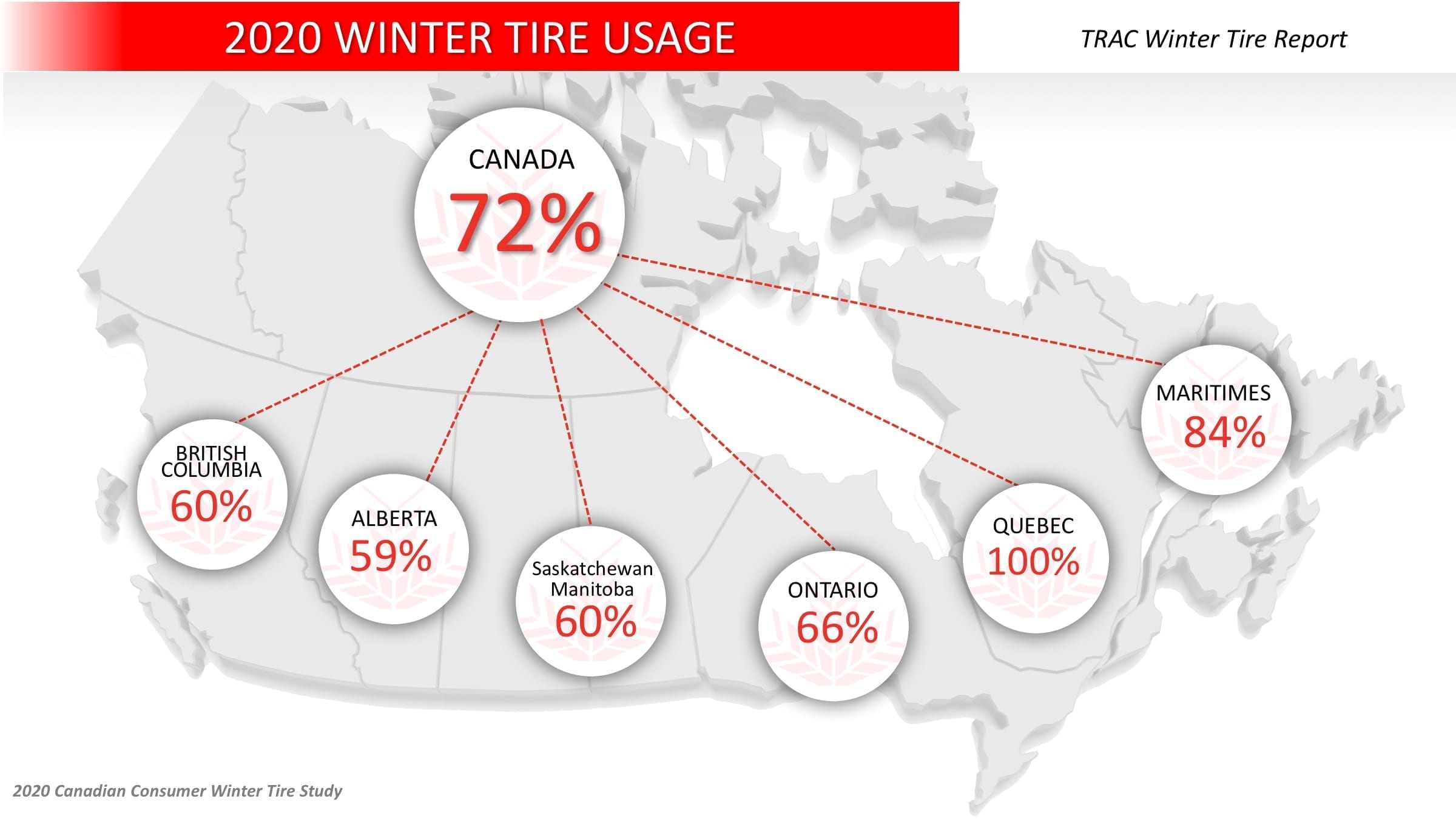
Those who find winter tires a costly endeavour, perhaps doing the math may alleviate some of the financial concerns, and TRAC鈥檚 Be Tire Smart聽Winter Tire Cost Calculator聽can do just that, as it clearly shows that drivers can own a set of winter tires for a reasonable monthly cost. Besides, winter tires may bring some unexpected savings when it comes to fuel economy and insurance rates, such as:
In reality, Sergeant Joe Friday typically used the phrase 鈥淎ll we want are the facts, ma鈥檃m鈥�, and sometimes 鈥淎ll we know are the facts, ma鈥檃m鈥�. Regardless of the exact wording of that immortal catch phrase, when it comes to the facts, dedicated winter tires鈥攄esigned only for use in winter鈥攁re hands down the best and safest option.
*Originally published with聽Autosphere.ca
大象视频
5409 Eglinton Ave W, Suite 208
Etobicoke, ON M9C 5K6
Tel: (437) 880-8420
Email: [email protected]